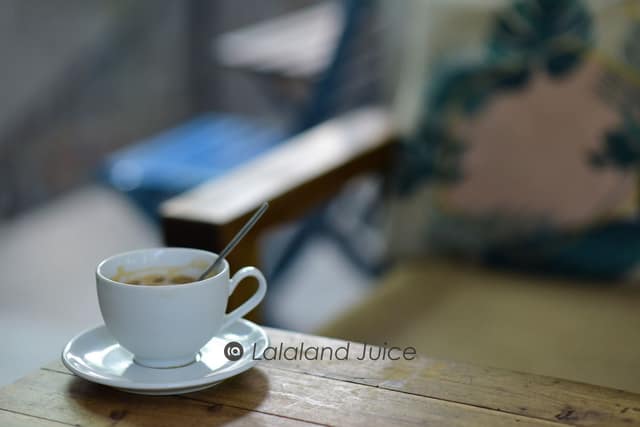
Here is the whole trick, before your phone steals you back: a nightcap is a cue, not a cure. One considered, non-alcoholic drink, poured slowly in a room with the lights turned low — that is the signal that tells your body the day is over.
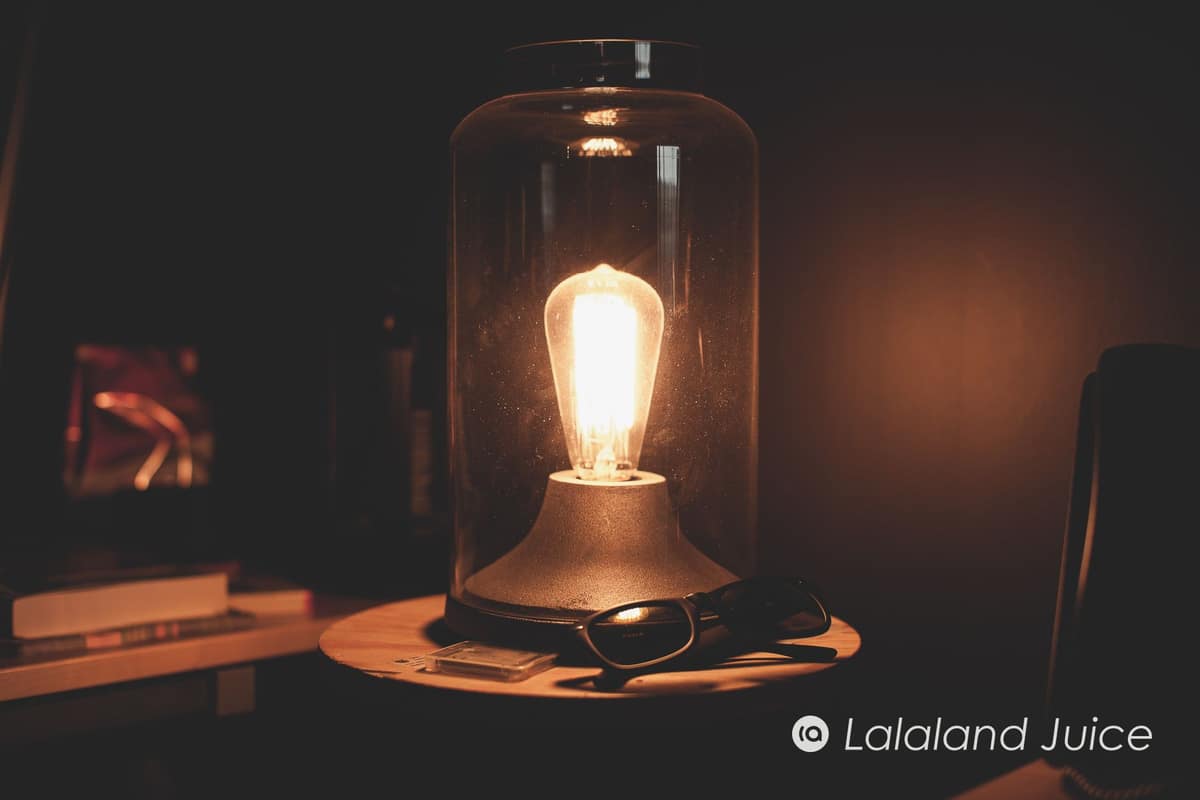
The part that does the real work is the dimmed room. Bright light in the evening holds your melatonin back; researchers at Harvard found that ordinary room light before bed suppressed melatonin and shortened its nightly window compared with dim light [6]. So the dimmer switch is the active ingredient. The drink is the ceremony around it.
And the classic nightcap — the whisky, the last glass of red — is the one to put down. It feels like it ends the day. It only postpones it.
The nightcap trick, in one line
You can't out-train a switched-on nervous system. You can't out-drink it to sleep, either.
The trick was never to find a magic liquid. It is to give your body the same small sequence every night — a drink you like, the lights down, the phone away — until it learns to read that sequence as the close of the day. The repetition is the mechanism. The drink is just the part you can hold.
Which means the real question isn't "what should I drink before bed." It's "what do I want to do, at the same hour every night, that isn't scrolling."
The Sleepy Girl Mocktail, and what the science actually says
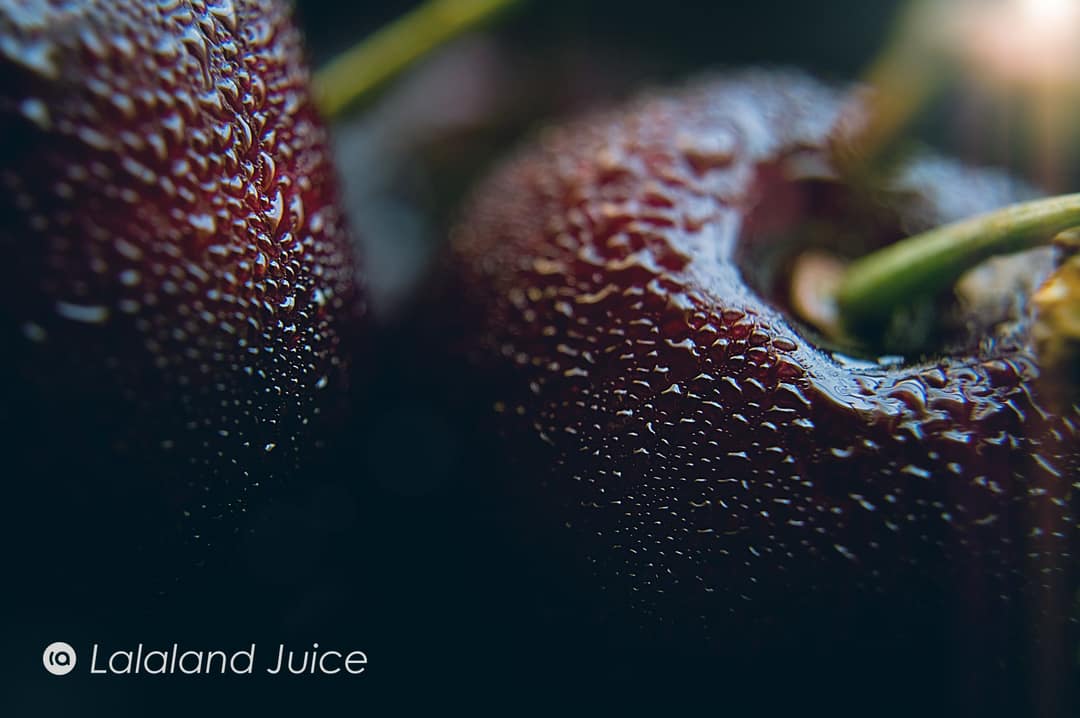
If you've been awake and online past 10pm lately, you've met the Sleepy Girl Mocktail: half a cup of tart cherry juice, a spoon of magnesium powder, topped with something fizzy [1]. It went viral for good reasons — it's pretty, it's alcohol-free, and it feels like self-care in a glass.
So does it work? Honestly: a little, maybe — and not the way the videos promise.
Tart cherries do contain melatonin, the hormone that runs your body clock, and a small trial in older adults with insomnia found that drinking tart cherry juice twice a day for two weeks nudged up their total sleep time [3]. But here's the part the trend leaves out: the melatonin in a serving of tart cherry juice is around 85 micrograms — six to sixty times lower than the 0.5-to-5 milligram doses used to actually treat sleep [2]. Whatever cherries do, they don't do it like a pill.
Magnesium is thinner still. The best review of magnesium for insomnia pooled three trials and found people fell asleep about 17 minutes faster than on a placebo — but the authors rated the evidence low quality and said plainly it was too weak for doctors to recommend [4].
The most honest verdict came from the Cleveland Clinic's own dietitian, who looked at the mocktail and said the quiet part out loud: more powerful than any single ingredient "is its role in the ritual of getting your body ready for sleep" [1]. The drink isn't the medicine. The ritual is.
Why warm milk doesn't quite work here
Our grandmothers had a nightcap too: warm milk, a mug of hot ginger tea, something gentle on the stove. The idea isn't wrong — milk carries a little tryptophan, the raw material your body turns into melatonin — but not nearly enough to sedate you. Most of what warm milk does is what the cherry juice does: it's warm, it's familiar, it's the same thing at the same hour.
And there is a very Singaporean problem with the warm version. It is thirty degrees and humid at 10pm. After a day spent ducking between the aircon and the wet heat, nobody wants a hot mug of anything. The nightcap that survives our weather is a cold one.
The nightcap you were sold is the one wrecking your sleep
Which brings us to alcohol — the original nightcap, and the one worth dropping.
A drink is a sedative, so for the first half of the night it delivers: you go under fast. Then your body starts clearing it, and the night turns on you. The Sleep Foundation, reviewing the research, is blunt — alcohol before bed cuts your REM sleep, the deep-dreaming kind your brain files memories in, and breaks the second half of the night into lighter sleep and more waking as the alcohol wears off [5]. Around ninety per cent of people who regularly drink in the evening report at least one sleep problem [5].
That 3am ceiling-stare you don't quite remember in the morning? That's the nightcap, quietly collecting.
I know it from the inside. I stopped drinking a while ago — I'll come to why — and the first thing I got back was my mornings.
The part that works: turn the room down
So if not the whisky, and not really the cherries — then what?
The dimmed room, and the same small ritual around it, every single night.
Turn the lights down before you feel tired, not after. Bright light and screens tell your body it's still daytime and hold melatonin off; dimming the room is the oldest sleep cue there is, and the one with the firmest evidence behind it [6]. Put the phone face-down in another room — the feed is engineered to manufacture the exact racing mind you're trying to switch off.
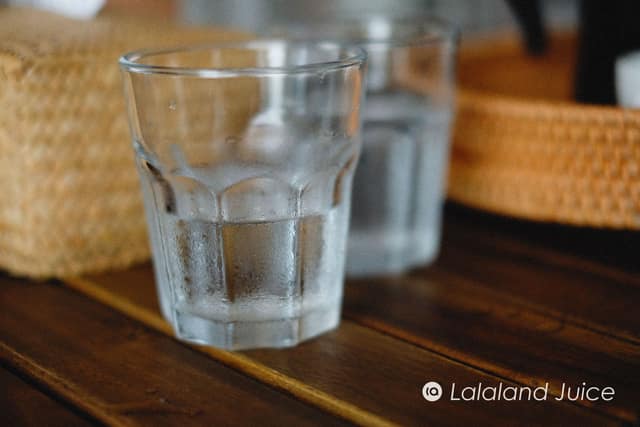
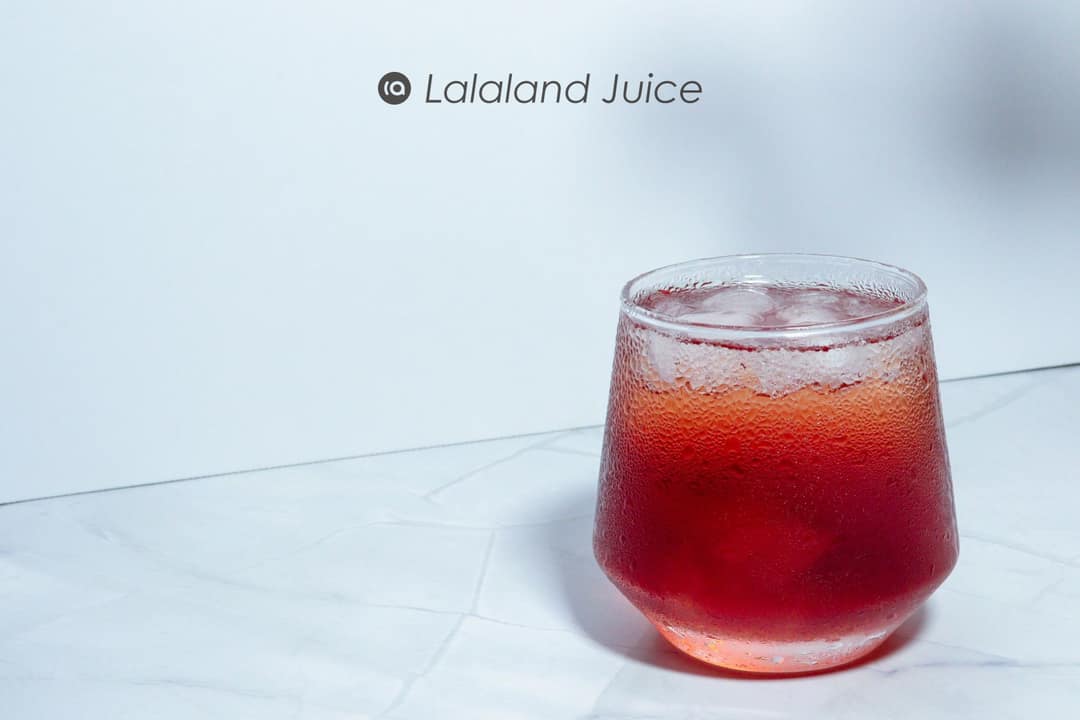
Then give your hands something slow. A warm shower. A real book, turned by hand. And a cold drink you actually taste, poured into a proper glass instead of swigged from the bottle — because pouring it, and tasting it, is how you tell yourself the day is closed.
My 10pm border
For years I had no border at all. I wake at 5am and I'm at the gym by 5:15, every day — my friends call it the 5:15 Club — and I used to think that much discipline had earned me a drink to switch off at night. One whisky, sometimes two, "to come down."
It was the reason my mornings felt like sandpaper. The most disciplined hour of my day was being quietly undone by the least disciplined one. So I swapped it out.
Now the last forty-five minutes belong to me — the ones after the flat goes quiet, before I'd otherwise lie in bed running tomorrow's list. Lights down. Phone in the other room. Something cold, poured into a glass. Lately it's a small one: a Green Reset Mini, kale and cucumber and mint, cold and clean. A mini on purpose — a considered sip, not a tall glass of fruit sugar right at lights-out. (Save the beetroot for the morning; it's got natural sugars and a bit of get-up-and-go.)
The stopping does the work. The bottle marks the hour it begins.
If you want the longer version of this — closing the whole evening, not just the last drink — I wrote the grown-up wind-down. The same idea, run at the other end of the day, is the 3pm ritual.
What a closed night gives back
This matters more here than almost anywhere. Singaporeans are among the most sleep-deprived people on earth: a 2024 YouGov study across 17 markets put us right at the top, with only 44 per cent getting the recommended seven hours a night [7]. Public-health researchers here rank the city third of 43 for sleep deprivation, and the causes they name are familiar — poor pre-bed routines, the phone, late-night anxiety [8].
Every one of those is a border problem. Not a drug you're missing — a signal you never sent.
So tonight, try the trick the way it actually works. Turn the lights down before you're tired. Put the phone in another room. Pour the cold thing, and taste it slowly while the day ends at an hour you chose, instead of the hour you finally collapsed into.
The city will switch you back on soon enough. For now the room is dim, the glass is cold, and there is nothing left to do.
Let that, tonight, be the point.
Jay Qin is a long-term guest columnist for The Slow Sunday Journal, and the founder of the 5:15 Club.