The most refreshing low-sugar drink for Singapore's heat is the one nobody markets: plain iced water.
That is not a dodge. When researchers built a "beverage hydration index" — measuring how well thirteen everyday drinks keep you hydrated compared with water — only milk and oral rehydration solution beat it. Orange juice, cola, iced tea and sports drink all held you at about the same level as water [5]. The sugar in a drink buys you taste. It does not buy you refreshment.
So here is the honest version of the ranking everyone searches for — the sugar arithmetic done out loud, and our own bottle held to the same ruler.
What actually makes a drink feel refreshing in the heat
"Refreshing" is not a marketing word. It is a sensation with a mechanism, and it comes down to two things: cold and acidity.
Cold you already know. Your mouth carries a receptor called TRPM8 — the same one menthol tricks — that fires when it meets low temperatures and reports back a clean signal of "cool" [8]. Sourness sharpens that same edge, which is why a squeeze of lime lands brighter and more quenching than plain sweetness ever does.
Sugar works against you here. A thick, syrupy drink sits heavy in the heat, and the hydration science says it does nothing extra to slake your thirst [5]. In Singapore, where afternoons run to 31°C and humidity can sit near 90 per cent before the rain [6], the body wants cold and clean — not sweet and heavy.
The honest sugar arithmetic: Nutri-Grade in plain numbers
Singapore already grades this for you. Under Nutri-Grade, a drink is graded A at 1 gram of sugar or less per 100ml, B above 1 up to 5 grams, C above 5 up to 10, and D above 10 — and any drink graded C or D must display its letter, while grade D may not be advertised at all [1].
Since 30 December 2023, that ruler reaches freshly prepared drinks too — bubble tea, freshly squeezed juices and smoothies included [2]. The letter on the menu is quietly doing the arithmetic for you.
The numbers it reveals are sobering. A brown-sugar bubble tea with pearls carries around 18.5 teaspoons of sugar; even a plain milk tea with pearls sits near 8 [3]. The Health Promotion Board suggests adults keep to 8 to 11 teaspoons of sugar a day [3] — so one brown-sugar cup can exceed a full day's sugar on its own. A grande Starbucks Pink Drink lands around 25 grams, roughly six teaspoons [7]. The World Health Organization would rather you stayed under about 50 grams of free sugars a day, and ideally nearer 25 — and, tellingly, it counts the sugar in fruit juice as free sugar too [4].
Which fizzy drinks deliver the chill without the sugar
If you want fizz — and in this heat the bite of carbonation genuinely reads as refreshing — the trick is to keep the bubbles and lose the sugar.
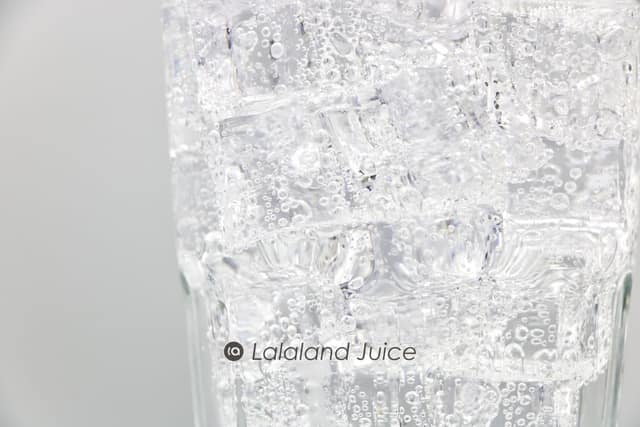
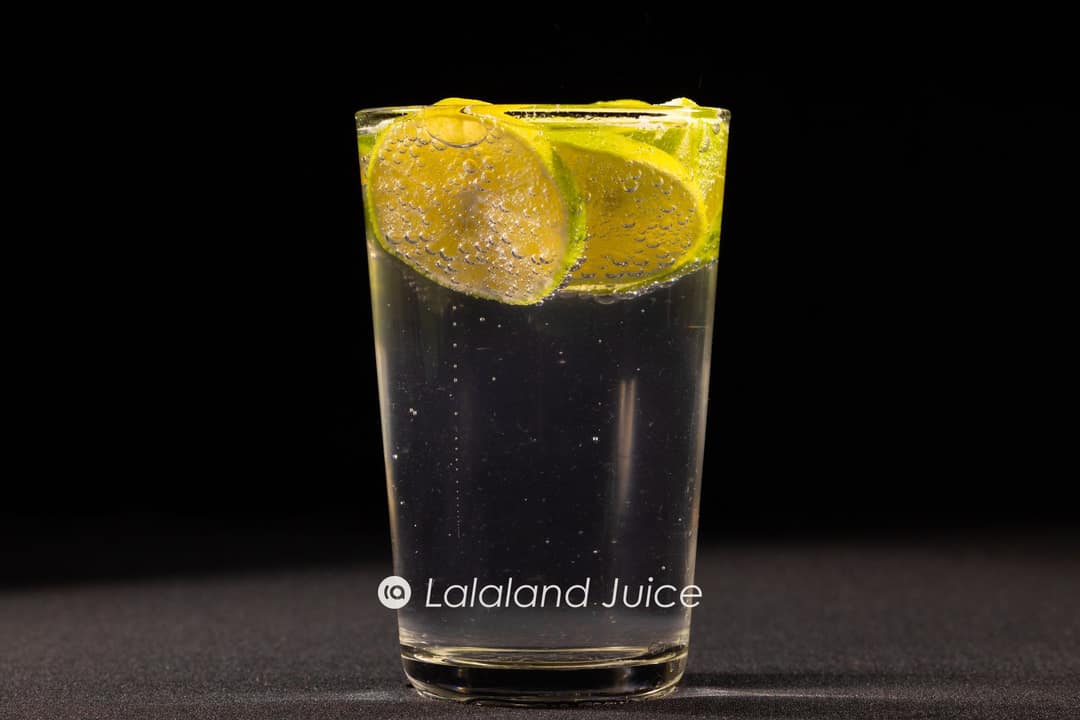
The quiet champion is soda water with a squeeze of calamansi or lime: cold, sour, sharply fizzy, and effectively sugar-free. It answers the "boldest taste for warm weather" question better than any bottled soft drink can, because the boldness comes from acid, not syrup.
Kombucha gives you a fizzy, tangy alternative with more character — but read its Nutri-Grade, because plenty land at C. Full-sugar canned soft drinks are the ones to leave on the shelf: they sit at the grade-D end of the fizz, and the hydration index says they do no more for your thirst than plain water [5].
The ranked list: the most refreshing low-sugar drinks in Singapore
Coldest and cleanest first, each with its honest trade-off.
- Iced water — plain, or with citrus and cucumber. Grade A, free, and the benchmark every other drink is measured against [5]. Unbeatable; only milk and rehydration salts do more.
- Soda water with calamansi or lime. The fizzy pick — bold, sour, near-zero sugar. Order it kosong; make it at home for cents.
- Unsweetened cold tea. Teh-o kosong peng, iced barley without sugar, chilled chrysanthemum or oolong. Cooling, familiar, mostly Grade A or B — the whole game is asking for no sugar.
- Fresh coconut water. Around 3 to 4 grams of sugar per 100ml and rich in potassium, so a genuinely good hot-day choice — but a Grade B, not a free pass [9].
- A tart cold-pressed juice. The pleasure pick, and the honest one: real fruit sugar, usually Grade C, but nothing added. More on where ours sits below.
And the drinks to keep as an occasional treat rather than a thirst-quencher: full-sugar bubble tea, bottled sweet drinks, and the syrup-based café "pink" drinks.
Where our own bottle honestly sits
We do not exempt ourselves from the ruler.
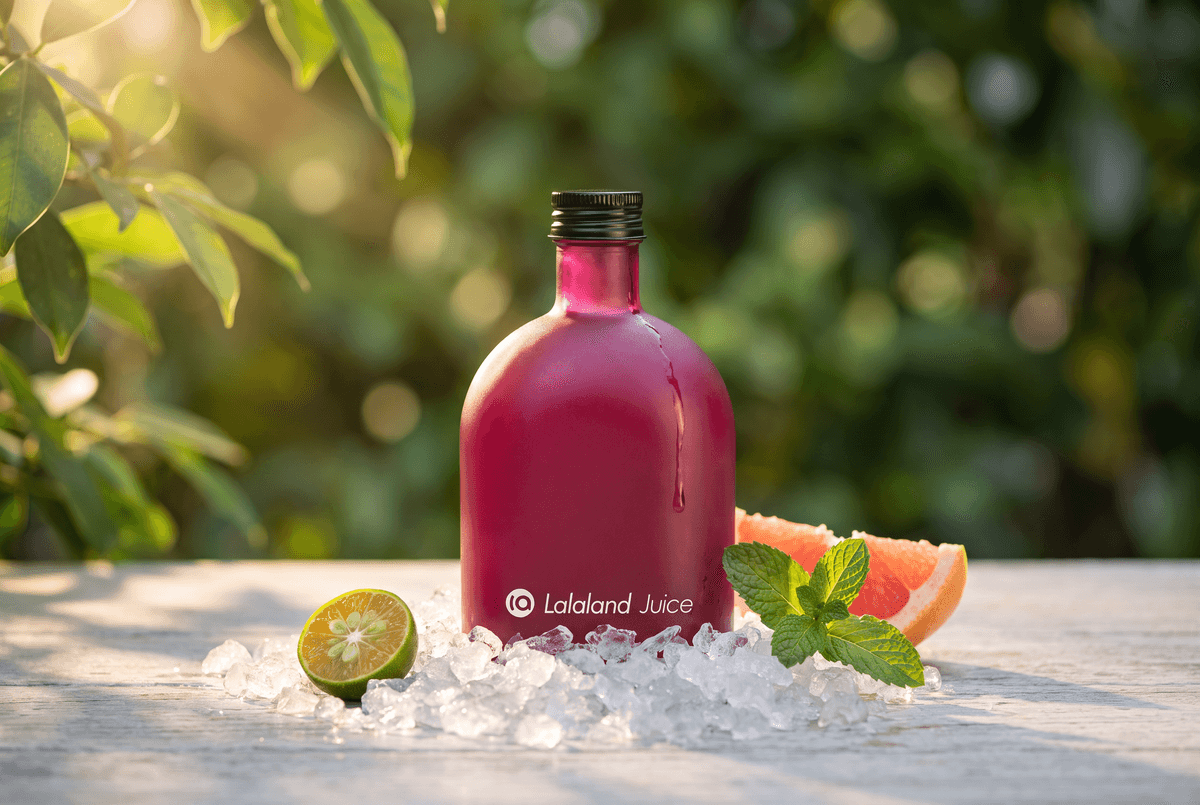
A cold-pressed juice is pressed fruit, and the sugar in it is the fruit's own — which, by the WHO's definition, still counts as free sugar [4]. A fruit-forward 250ml bottle, ours included, usually lands at Nutri-Grade C. We don't add sugar, syrup or toppings, and the pour is 250ml rather than a 500ml-plus cup — but "no added sugar" is the honest line, not "low sugar".
If you want the pleasure of a pink drink without the syrup, our tartest pour is Pink Haze — grapefruit and pear, where the bitter grapefruit does the work and keeps it from turning sweet. For the deeper beetroot-pink of a classic "Pink Drink" swap, Model Glow is the closer match in colour; and Siam Mangosteen is the one to reach for when you want something cooling and a little more unusual. None of them fixes anything. They are simply a cold, considered pour — the small pleasure of the hour.
The last pour
So the ranked answer, in one line: reach for cold and sour before sweet and thick, and let the Nutri-Grade letter settle the ties.
The heat here is not going anywhere. But the drink that meets it best is rarely the loudest one on the menu — it is the cold, clean, faintly sour one you barely have to think about. If you want the slower, unhurried version of this question, we wrote about the most refreshing thing to drink in this weather too.
Pour it over ice. Sit somewhere shaded. Let the cold do the rest.