If you feel heaty — a scratchy throat, an ulcer surfacing, a warm flush the morning after durian or a plate of fried you-know-what — the most reliable thing to drink is the least glamorous of all: plain water, and more of it than you think. The cooling drinks Singapore reaches for by instinct — barley water, chrysanthemum tea, coconut, a cold slice of mangosteen or watermelon — are pleasant, caffeine-free and hydrating, and hydration is most of what they dependably do [6][7]. Everything past that is older, and worth understanding on its own terms.
Am I heaty? What the word is actually pointing at
The concept has two names most households here know: reqi (热气), the heatiness itself, and shanghuo (上火), the flare-up — the ulcer, the sore throat, the pimple that arrives the day after a good, greasy weekend.
Singapore's own health service is refreshingly plain about what this is. HealthHub calls heaty-and-cooling a Traditional Chinese Medicine framework built on yin (cooling) and yang (heaty), "developed through more than 2,000 years of detailed observation" — and notes, in the same breath, that the idea "is not meaningful or relevant in the Western medicine paradigm" [1]. Heaty foods, in that reading, "warm and improve circulation"; taken to excess they bring "fever, sore throat, mouth ulcers, acne, excessive thirst" and irritability [1].
So it is not a diagnosis. It is a shared vocabulary. Researchers who studied how Singaporeans actually use the word found that "heaty" works as a taken-for-granted, everyday way to name a felt state of the body — knowledge handed down at the family table, not written on a chart [3]. The sensations are real. The framework around them is cultural. The honest thing is to hold both at once, and honour the word for what it is.
Not only a Chinese idea — the whole island runs on hot and cold
Ask a Malay auntie and she will sort the same plate into panas and sejuk; ask an Indian household and the food divides into heating and cooling, the way Ayurveda has always taught. Anthropologists trace all of these to one deep, mingled root — indigenous belief meeting Chinese, Ayurvedic and Greek-Islamic humoral medicine along the old trade routes, until the systems had absorbed one another [4]. When your neighbour says sejuk and you say liang (凉), you are reading the same ancient map in different scripts.
A group of NUS researchers, writing this year on Singapore's long history with heat, put it neatly: we navigate the tropics through two knowledge systems at once, biomedicine and Chinese Medicine, and reqi describes an internal imbalance rather than a thermometer reading [2]. Most of us move between the two without noticing — a cold barley water in one hand, a paracetamol in the other.
Where science has actually looked (and where it hasn't)
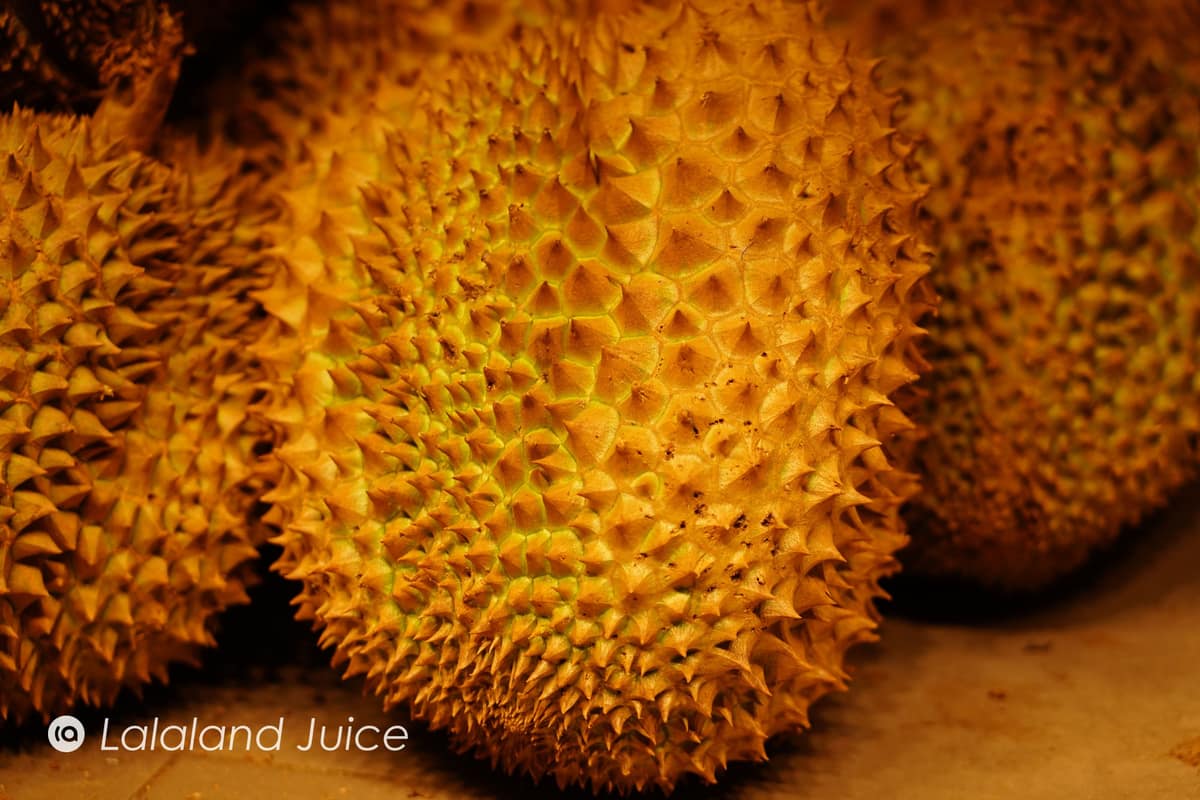
The famous test case is durian, the heaty king. Someone did put it under a thermometer: durian nudged eaters' body temperature up by about one degree Fahrenheit, traced to sulphur compounds that tickle the same heat-sensing channels as garlic and chilli — a real effect, but faint, and gone inside an hour [5]. A single degree for sixty minutes is nowhere near enough to raise the sore throat people blame the fruit for.
That gives us the honest grade. The sensations — the ulcer, the scratch, the flush — are genuine. The mechanism, "the heaty food raised my body heat and burned my throat," is, on the evidence, unproven. Rich, sugary, deep-fried food does leave you feeling warm and heavy, and digesting it gives off a little heat of its own; but that is a long way from a diagnosis, and worth saying plainly.
The cooling teas earn a similar mark. Barley water and chrysanthemum are gentle, caffeine-free and hydrating — which is real, and useful — but robust clinical proof that they "clear heat" is thin, and the tradition itself warns that the bitterest ones are strong medicine, not everyday drinking. Grade them as pleasant and hydrating, held in high regard, and largely untested. That is not a knock. It is just the truth, set down beside the belief.
What actually does the work: water
Here is the part with the strongest evidence, and it is almost boringly simple. Singapore is a sweat test that never lets up: daytime highs of 31 to 33°C, and humidity above 90% in the hour before sunrise [6]. You lose water all day without noticing it go.
A dry, scratched throat is very often exactly that — dry. The NHS's plain advice for a sore throat is to drink plenty of fluids to keep it moist; warm or cool both soothe, and gargling warm salty water is one of the few home remedies with any evidence behind it [7]. There is a quieter truth folded into all this, too: a run-down body — too little sleep, too much week — throws the very same signals the old word describes, the ulcer and the short fuse and the raw throat. Heaty or simply worn out, the body is asking for the same thing. Slow down. Drink water. Sleep.
The situations everyone actually types into the search bar
After durian, bak kwa, or the CNY fried tray. The feast is rich and warm; go easy, drink water between mouthfuls, and reach for the cooling fruit the way this region always has — the mangosteen, durian's cooling queen to its heaty king, ripening in the very same June-to-August window [1]. A bittersweet grapefruit, cousin to the pomelo, is the other old friend that cuts through a heavy meal.
Haze season. When the PSI climbs past 101, the Ministry of Health's advice is unglamorous and correct: drink plenty of water and cut back on outdoor exertion [8]. A cold drink soothes the dry throat the haze gives you — but the water and the staying-in are the parts that matter.
The hot-weather sore throat. Fluids first, then rest. If it drags on, comes with a high fever, or you simply feel unwell, see a doctor — that is outside any tea's job description.
The kopitiam cooling shelf. Liang cha, cheng tng, barley, chrysanthemum, water chestnut, coconut: the NUS history of Singapore's heat lists barley water, chrysanthemum tea and green-bean soup among the classic coolers [2]. Pick whichever you like best cold. They are pleasant, and they hydrate — which, as we keep finding, is the honest half of the magic.
A cooling-and-warming guide to what we press
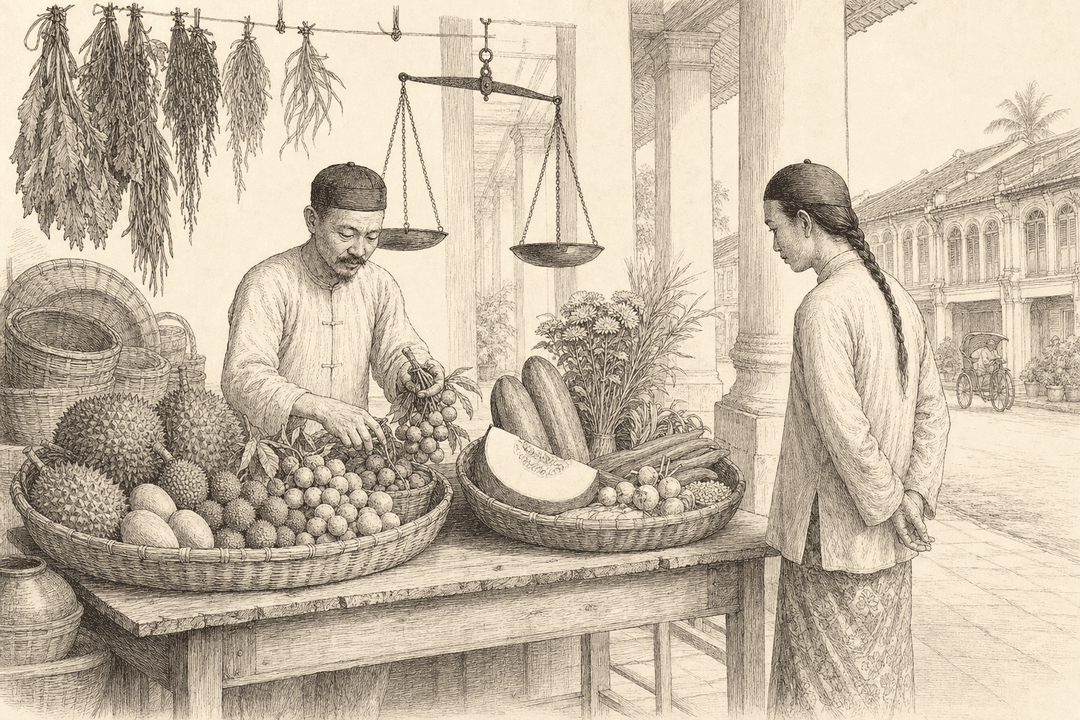
Line our own ingredients up along the old map and they sort themselves. On the cooling side sit the watery, barely-cooked, faintly bitter things: mangosteen the classical coolant, bittersweet grapefruit, mineral-clean celery — read as cooling from Li Shizhen to the modern lab — and the cold green of kale. On the warming side sit the roots you would never eat raw by the handful: ginger and turmeric, the drinks you reach for when you are cold and damp, not heaty.
None of this "cures" heatiness, and we would never pretend it did. The old classification is simply a way of eating with the weather and your mood — lighter and cooler when the week has run hot, warmer and rootier when it hasn't.
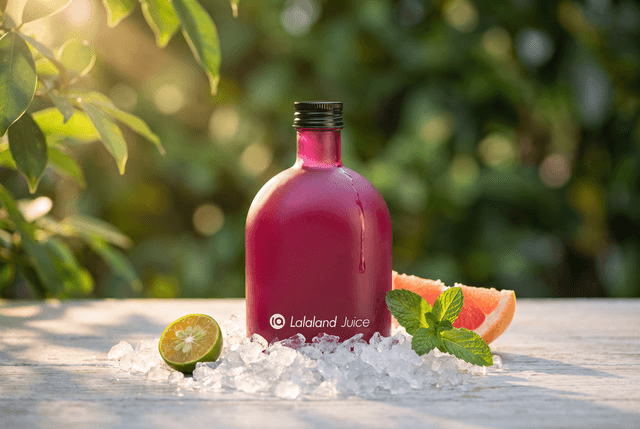
So when the durian is finished and the afternoon is close, the cold, bittersweet thing to pour is the cooling fruit itself — mangosteen, pressed and kept cold. Not a remedy. A pleasure that happens to sit on the right side of a very old map.
The honest bottom line
Heatiness, in the end, is a very human way of saying the body is a little out of sorts — a bit dry, a bit run-down, a weekend that was a bit too good. The remedies that hold up under scrutiny are the plainest ones our grandmothers already knew: a cold glass, more water than you think, an early night.
So reach for the cooling drink because it is a genuine pleasure on a hot afternoon — not because it is a cure. The island has been drinking to the heat for two hundred years. You are only being asked to sit down with a cold one, and let the day cool with you.